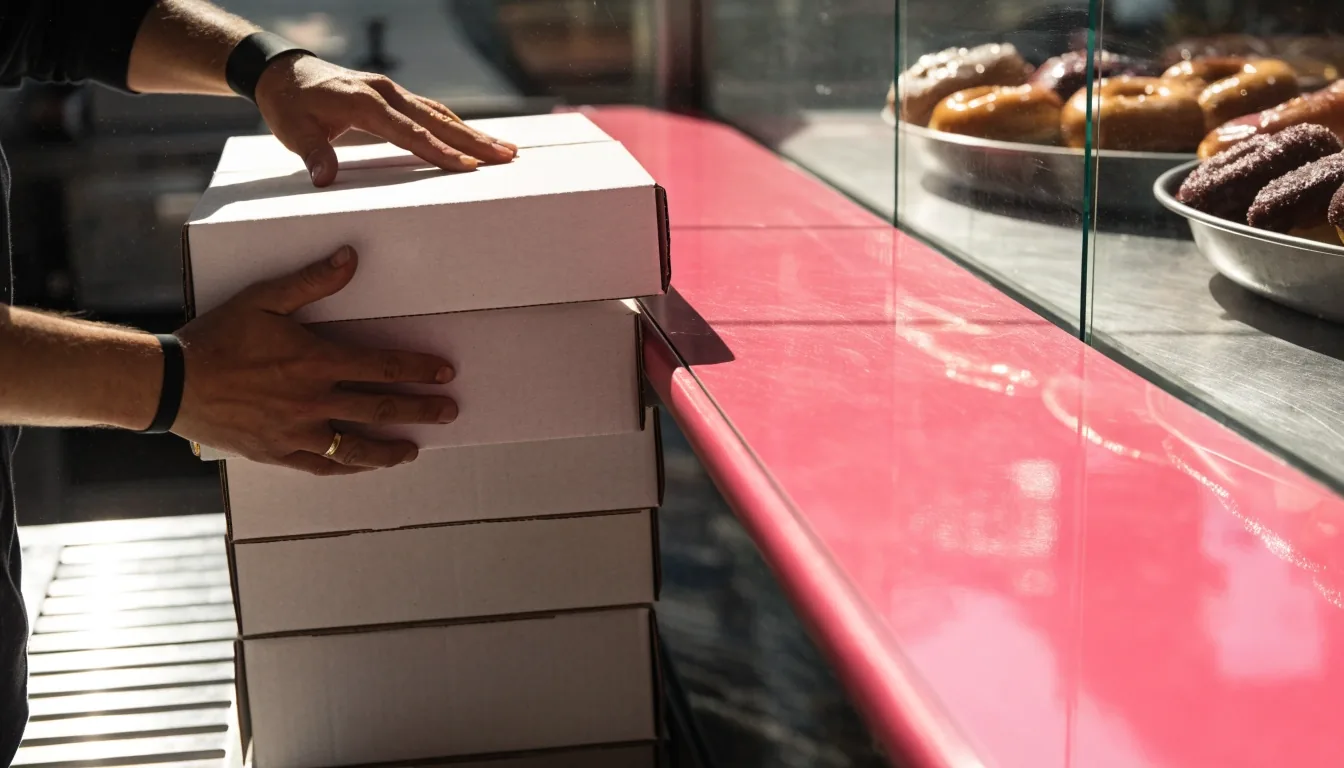
Pink service rail running across a Shipley Donuts counter under noon light

Published October 2026 · Franchise desk

Shipley Donuts reports first-half 2026 growth

New markets in Louisiana, Texas and Virginia, plus an online catering platform built for offices, schools and events.

The dispatch, in one paragraph

Shipleys Donuts said it entered new markets in Louisiana, Texas and Virginia during the first half of 2026. The company opened its first El Paso shop, then added locations in Bossier City and Vienna. The period also included the launch of an online catering platform and several new franchise agreements. This page walks through what opened, what it means for the map, and what the disclosure does and does not say about performance.

What this covers

  • Three new-market entries, in order
  • Why El Paso reads differently from Bossier City and Vienna
  • How catering changes the sales day for a franchisee
  • Which figures the announcement leaves out

New markets in the first half

Market names and opening order are reported as they appeared in the brand's own first-half announcement.

First opening

El Paso, Texas

A new metro in a state the brand already serves. Supply routes and support staff already reach Texas, so a first store here leans on systems that exist rather than systems being built.

Extends an existing footprint westward

Second opening

Bossier City, Louisiana

Northwest Louisiana. A first-in-state entry, which means brand recognition starts from zero and the store builds its own regulars rather than inheriting them from a neighbour.

First store in a new state

Third opening

Vienna, Virginia

The third state entry of the half. Also first-in-market, and the one that stretches the map furthest from the Texas base the brand grew out of.

Furthest new-market reach of the period

Three states accounted for the entries: Louisiana, Texas and Virginia. El Paso came first, followed by Bossier City and Vienna. The order matters, because a first store in a new market carries different operating risk than a second store in an established one — the first has to introduce the brand, the second mainly has to meet a bar customers already hold.

El Paso and the Texas footprint

Texas is the brand's home state, so an El Paso opening extends a footprint that already exists rather than starting from nothing. In practice that means shorter setup paths: supply, training and field support already reach the state, and the store can open without a parallel logistics build behind it.

It also means the shop competes against expectations set by other locations in the same state. A customer who has bought from a Shipleys Donuts counter before arrives with a reference point, which is a different bar than a first-in-state launch where the store defines the brand for its own neighbourhood.

A corner doughnut shop unit on a west Texas commercial strip at noon
An El Paso opening extends a Texas network that is already in place — different risk from a first store in a brand-new state.

Bossier City and Vienna

Bossier City, in northwest Louisiana, and Vienna, in Virginia, were the other two entries. Both are first-in-market situations, which means they establish brand recognition from zero: nobody walking in has a Shipleys Donuts habit yet, and the store has to build one before it can build volume.

Those openings carry more schedule and supply risk than a same-state extension. A first store in a market also tends to decide whether the brand adds more stores nearby — if the opening works, the second and third units in that area get easier to justify; if it stalls, the market usually waits. That is why the performance of first-in-state stores is watched more closely than the count of locations opened.

For readers tracking the map rather than the menu, the useful distinction is this: El Paso added depth to an existing region, while Bossier City and Vienna added reach. Both count as growth, but they test different parts of the operation.

A newly renovated storefront on a small-town Southern retail strip at noon

A first store in a new market builds its own regulars, then decides whether more units follow.

The other half of the announcement

The catering platform

The company launched an online catering platform during the first half, which changes how it sells to offices, schools and events rather than to individual customers.

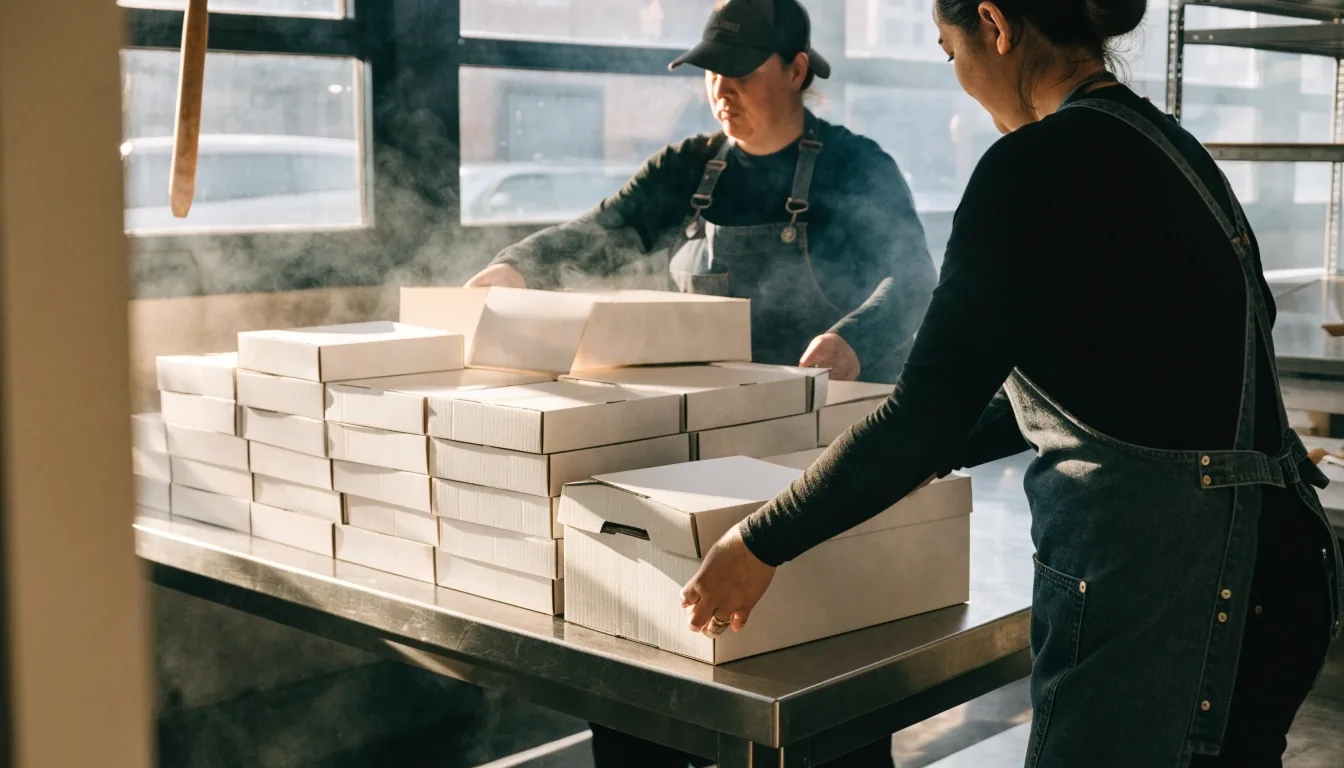
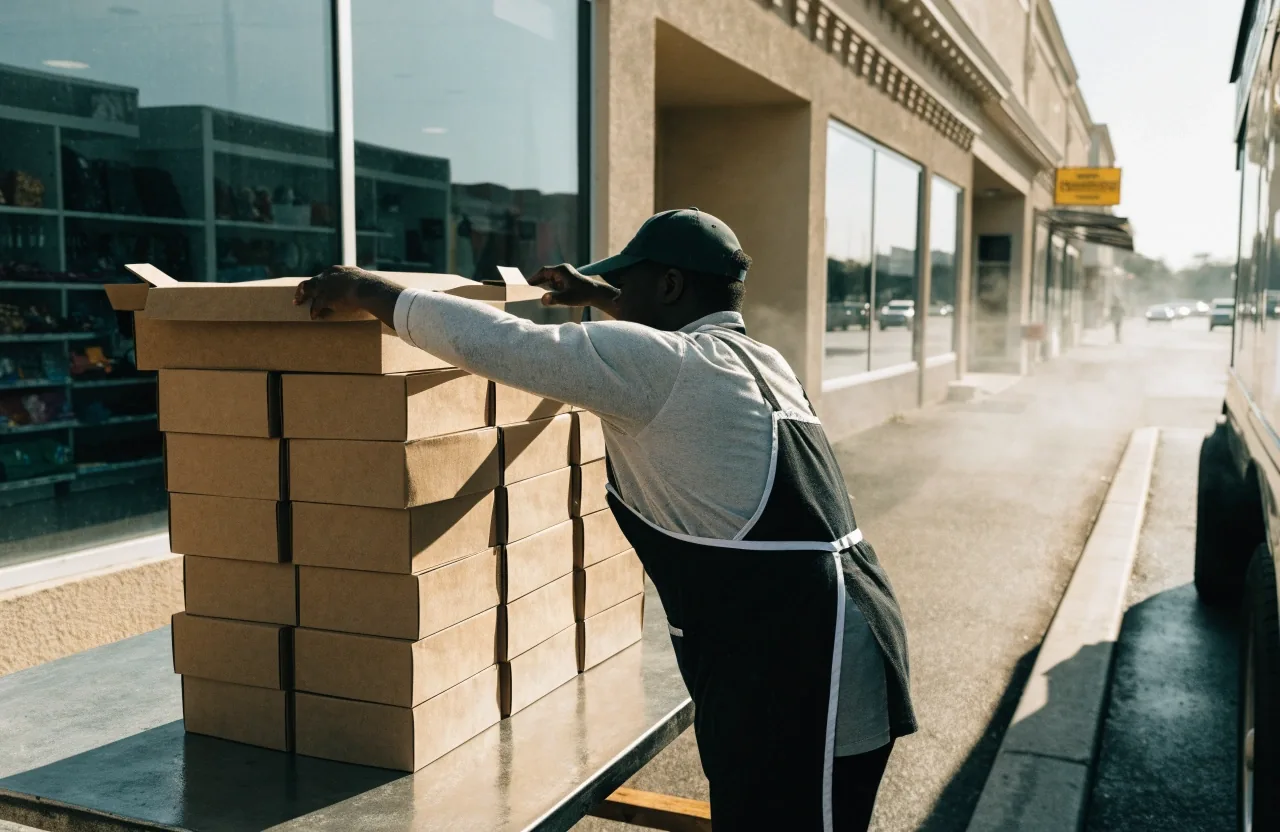
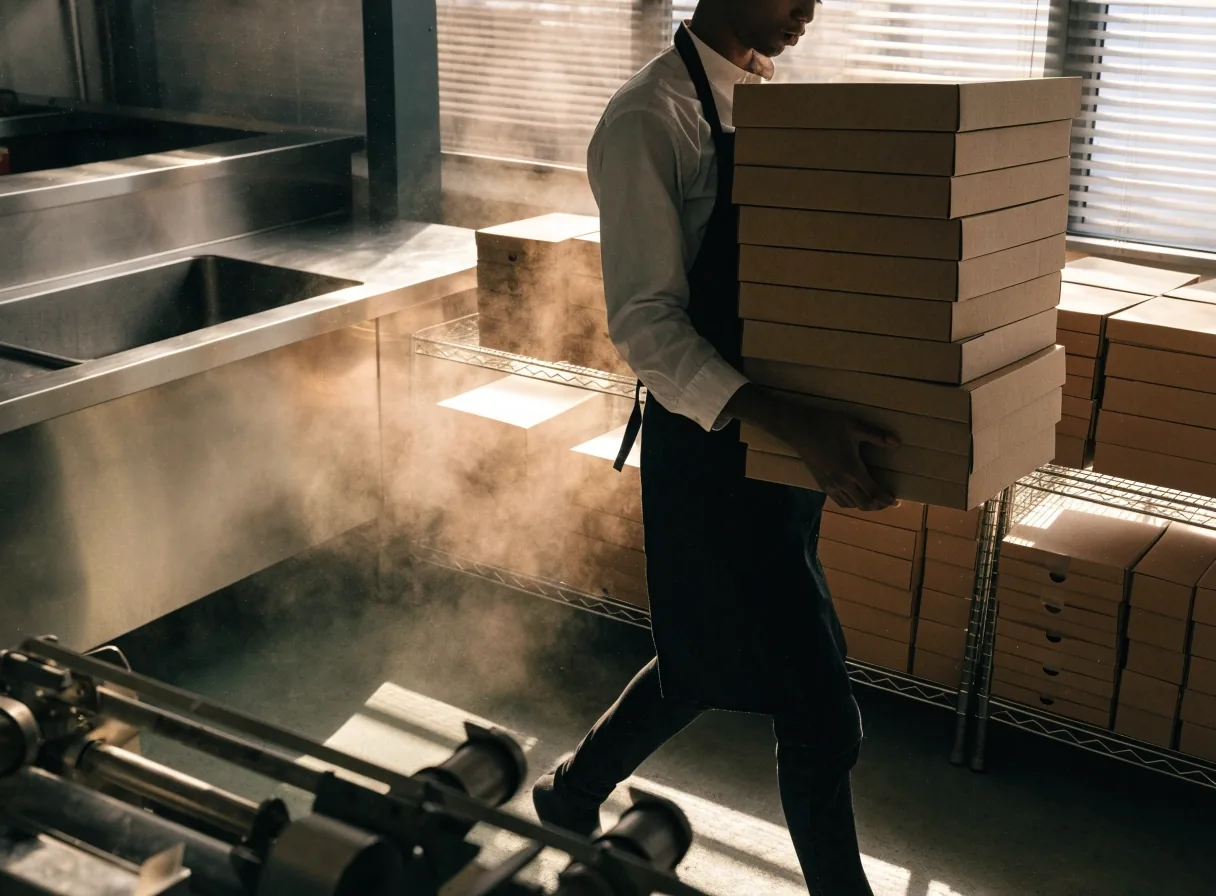
Catering orders are larger and planned further ahead than a walk-in purchase, so they need different fulfilment: scheduled pickup or delivery windows, boxes sized for a meeting, and an ordering process that a workplace organiser can complete without a phone call. For franchisees, the appeal is the clock — catering can fill morning and mid-day hours that walk-in traffic doesn't cover, which spreads a shop's labour across a longer day rather than concentrating it before nine.

It also changes who the customer is. A box of doughnuts for a staff meeting is a repeat order placed by whoever runs the office kitchen, not a passing decision at the counter — a different kind of relationship to build and a different reason for a store to be reliable on timing.

Franchise agreements alongside the openings

The same period produced agreements covering Cincinnati, Metro Detroit, Las Vegas, Raleigh and Stillwater, plus the South Dallas nonprofit deal. Read next to the openings, the picture is a brand doing two things at once: opening stores now and signing agreements for stores later.

Cincinnati, Ohio

Three-unit franchise deal

Metro Detroit, Michigan

Agreement covering 15 locations

Las Vegas, Nevada

First Nevada agreement

Raleigh, North Carolina

Two-unit franchise deal

Stillwater, Oklahoma

Three-shop development agreement

South Dallas, Texas

Nonprofit franchise partnership

The agreements

Signatures on paper for stores that do not exist yet. Location, timing and build-out are still ahead, and the count of units named in an agreement is a plan rather than an operating result.

The openings

Stores taking orders and paying staff. El Paso, Bossier City and Vienna are what's actually operating out of the first-half news; everything else in the announcement is pipeline.

What the numbers do and don't show

The announcement describes market entries and openings. It does not report revenue, average unit volume or same-store performance, and those figures aren't public — so this page doesn't estimate them.

What can be stated is which markets got their first store and in what order, because that is what the company disclosed. Unit growth and sales growth are separate questions: a brand can add locations in a half while existing stores sell less, or the reverse. Reading one as evidence of the other is the most common mistake in franchise coverage, which is why the distinction is worth holding onto when the next announcement arrives.

Disclosed in this announcement

  • Market entries: Louisiana, Texas, Virginia
  • Openings: El Paso, Bossier City, Vienna
  • An online catering platform launch
  • Franchise agreements in six markets

Not disclosed here

  • Revenue or average unit volume
  • Same-store sales comparisons
  • Catering order counts or basket size
An empty ground-floor unit with paper taped to the glass awaiting build-out
The second half is a test of whether announced timelines hold — a relocation and a nonprofit shop are both scheduled close together.

What to watch in the second half

Two milestones sit inside 2026. The South Dallas nonprofit shop is targeted for the end of the year, and the Harker Heights relocation is planned for December 1. Both are close enough to check against the calendar rather than take on trust.

A relocation is the quieter story of the two. Moving an existing shop tests whether a store can hold its customer base across an address change, which is a different question from opening somewhere new. The nonprofit partnership is the more unusual one: a franchise structure where the operating surplus is meant to serve a community purpose rather than a single owner, so how it is set up matters as much as whether it opens on time.

Beyond those two dates, watch whether the first-in-state stores in Bossier City and Vienna draw follow-on agreements in their regions. That is the signal that a new market is working, and it usually shows up in the next round of franchise news rather than in an opening announcement.

Sources for this story

This report draws on the brand's first-half 2026 growth announcement and food industry coverage of its US retail expansion. Market names and opening order are reported as they appeared in those sources.

Where a figure is not in the source material, this page says so rather than filling the gap. You can read the method behind that choice on our editorial standards page.

Common questions about this report

Does this announcement mean the brand is profitable in the new markets?

No. The announcement covers market entries, openings and a catering launch. It says nothing about store-level profit or sales in those markets, so there is no basis here for that conclusion either way.

Why does the order of the three openings matter?

Because the first opening was in Texas, where supply and support already exist. Bossier City and Vienna are first stores in new states, so they carry the extra work of introducing the brand before they can sell it.

How is catering different from normal counter sales?

Orders are larger and placed further in advance, usually by an office, school or event organiser. That needs scheduled fulfilment and boxes built for a group, and it can fill mid-day hours that walk-in traffic does not reach.

Do the franchise agreements count as new stores?

Not yet. An agreement sets out a plan to develop units in a market. Until those stores are built and trading, they are pipeline rather than operating locations, and the unit counts in an agreement can change.

Where can I follow the next update?

The South Dallas and Harker Heights stories are already on the site, and new openings and agreements are filed on the news archive as they are confirmed.

Keep reading

Follow the next opening before it happens

The Journal tracks franchise agreements, new-market openings and promotions as they are confirmed, alongside community partnerships and menu news across the United States. If you have word of a store, a relocation or an agreement we haven't covered, the desk reads everything sent in.

Shipley Donuts Journal · 315 E 28th St, Brooklyn, NY 11226, USA · Monday–Friday, 9:00 AM – 6:00 PM