
Street-level
Fundraisers and school partnerships
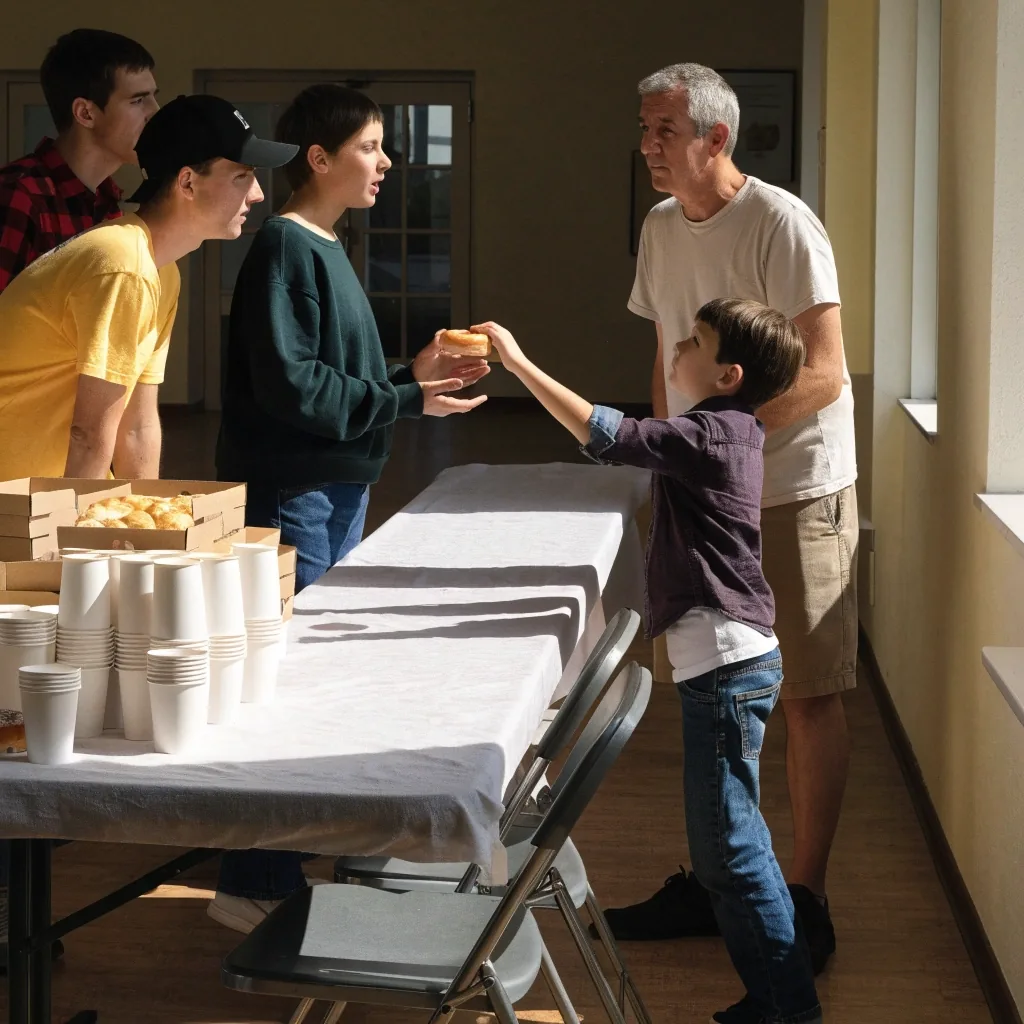
If a shop runs a fundraiser or partners with a school, we want the details: dates, the organization involved, and what the money or goods actually support.
Community & Culture · Reported from filings, public announcements and reader tips
Nonprofit franchise agreements, ground-up retail projects and the neighborhood work that never lands in a franchise press release.
Community and Culture covers what Shipley franchisees do beyond selling donuts: nonprofit agreements, local projects, and the neighborhood-level work that rarely makes franchise press releases. It is the smallest section on the site and the one most dependent on reader tips.
The bar here is different from the rest of Shipley Donuts Journal coverage. A new market opening usually arrives with a corporate announcement attached. A community story usually does not, which is why this page fills more slowly, and why the items on it tend to be more specific about place.
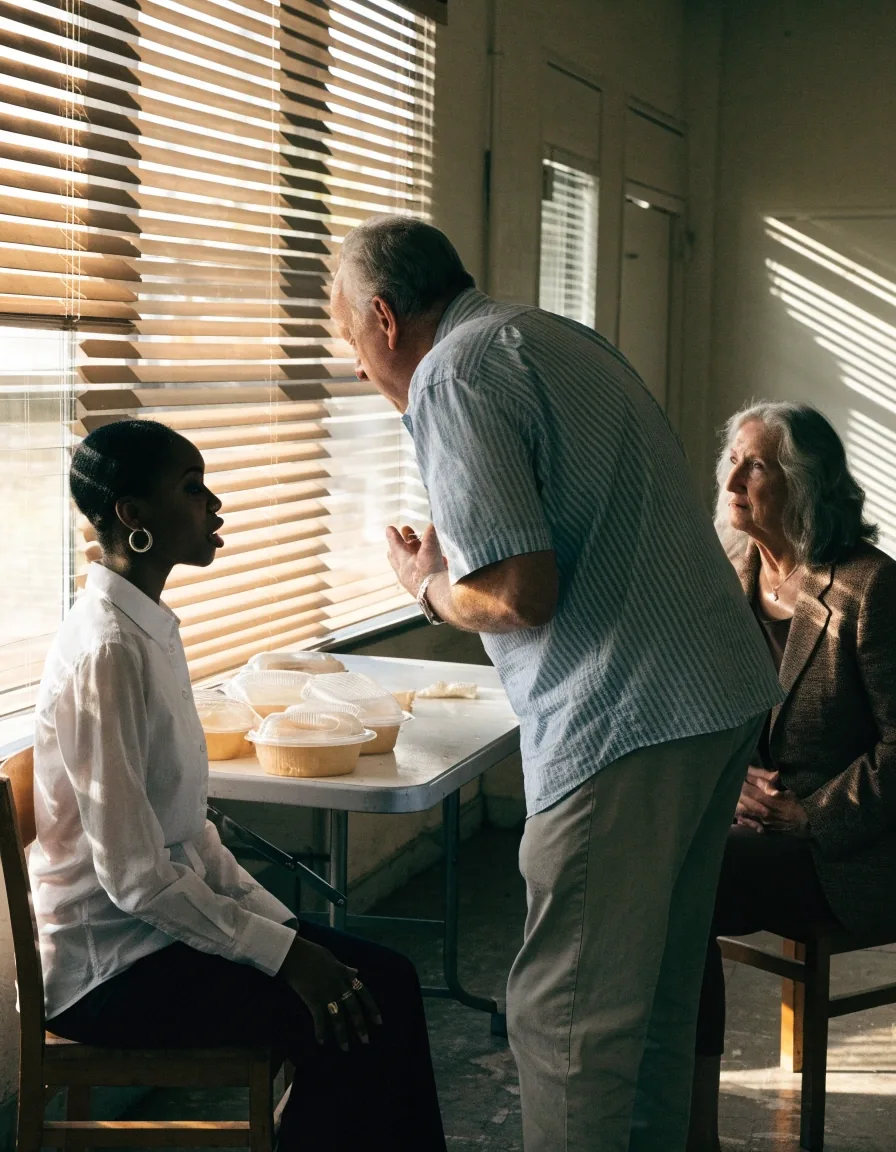
If a shop near you sponsors a team, runs a fundraiser, or hands a week of sales to a school, that is the kind of item we want. Send it with the location and the dates, and we will check it against a public record or a filing before it runs.
South Dallas, Texas
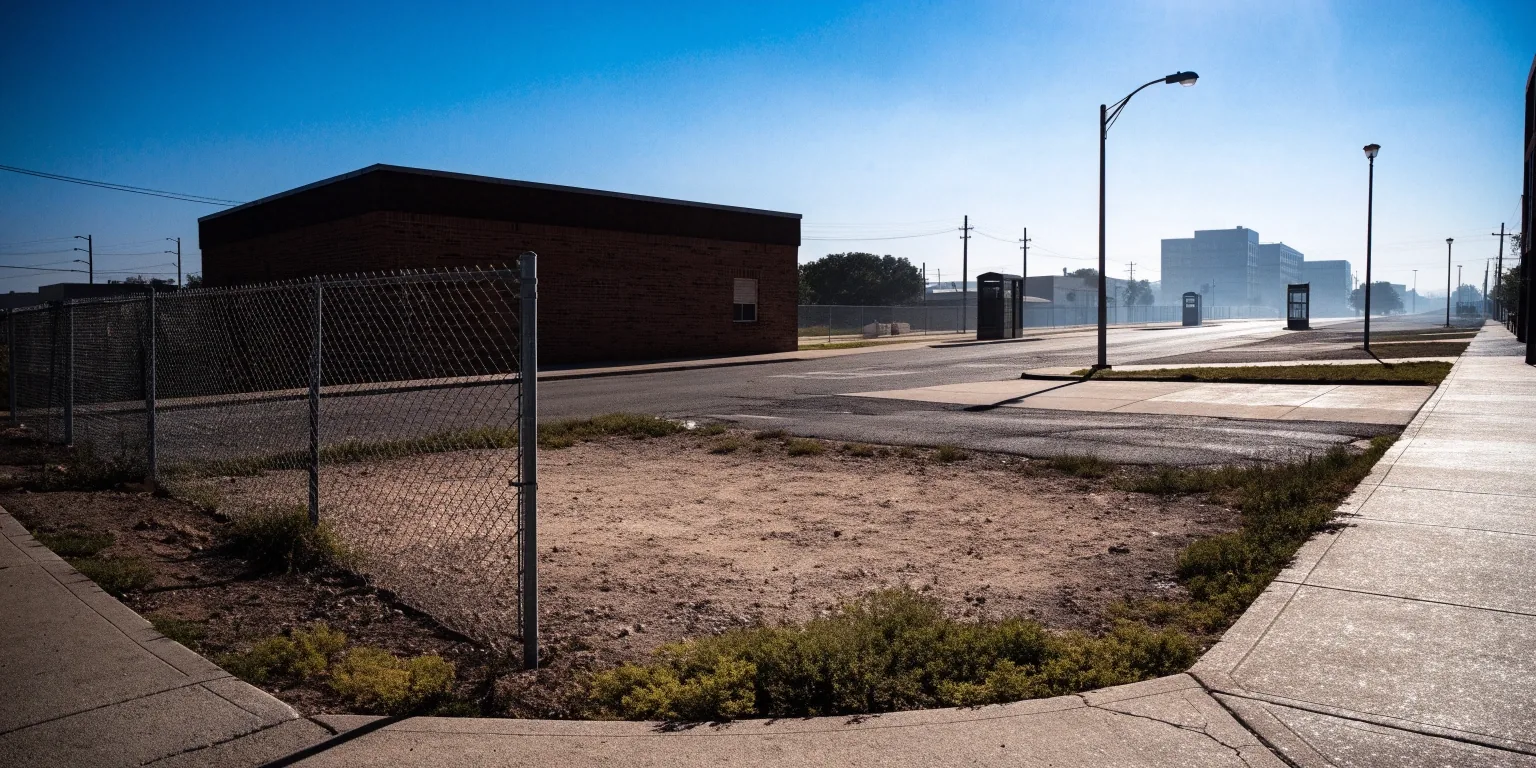
Shipley signed its first nonprofit franchise agreement in South Dallas, with the shop planned for 2807 Al Lipscomb Way and an opening target at the end of 2026. The deal was described as part of a ground-up retail project.
Read the South Dallas storyStandard franchise agreements are built around an operator's return on investment. A nonprofit franchisee is usually working toward a programmatic goal as well, whether that is job training, community services, or neighborhood reinvestment.
That does not exempt the shop from the same operating standards, supply requirements, and brand rules as any other location. The difference shows up in what happens to the money after the bills are paid.
A nonprofit organization signs where a private operator normally would. That is unusual in this category, and it is the part of the South Dallas deal worth watching as the build moves forward.
Operating standards, supply requirements and brand rules still apply in full. A nonprofit operator runs the same kitchen, the same menu and the same inspections as anyone else under the agreement.
Any surplus tends to be directed back into the organization's mission rather than to a private operator. That single line changes the arithmetic of the whole store.
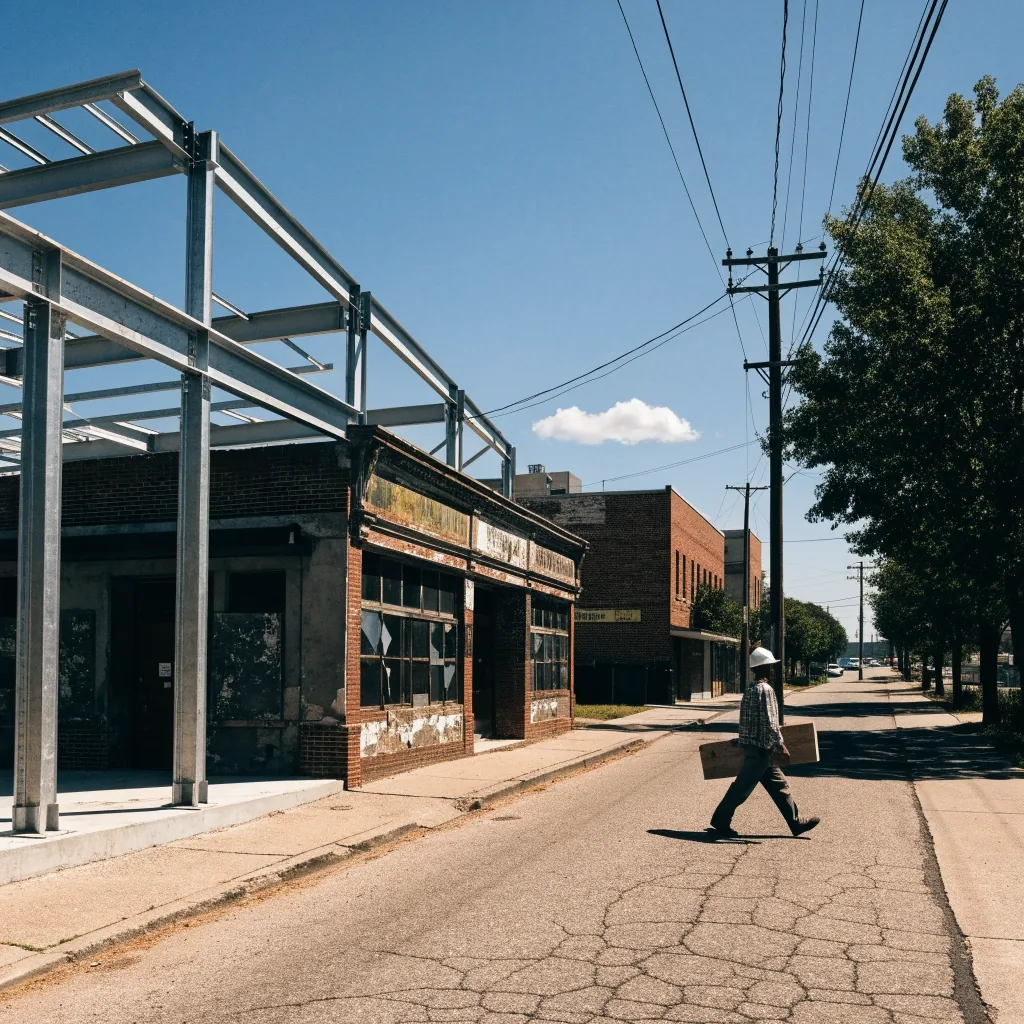
A ground-up build adds permanent structure to a parcel. Tenant fit-outs in existing space do not.
The South Dallas project being a ground-up build matters for the neighborhood. New construction on a vacant or underused parcel changes the block in ways a tenant fit-out does not: it adds permanent structure, and it usually arrives alongside other site work.
Retail projects like this are often part of a wider development plan, so we watch for what else gets announced around the same address. A sidewalk, a parking apron, a utility connection or a second tenant on the same parcel all show up in the same public record sooner or later.
What we look for on a build like this
How we cover community stories
We publish community items when there is a public announcement, a filing, or a local record behind them. That is a higher bar than the franchise desk, where company announcements are the norm. The result is a shorter list, but every item on it has something you can look up yourself.
Most Shipley locations are small businesses operating under a franchise agreement, and their community role is usually local rather than newsworthy. A shop that sponsors a Little League team or donates to a food drive will not make a press release.
We would still like to know about it, because those items are how a national brand story connects to a specific street.
Street-level
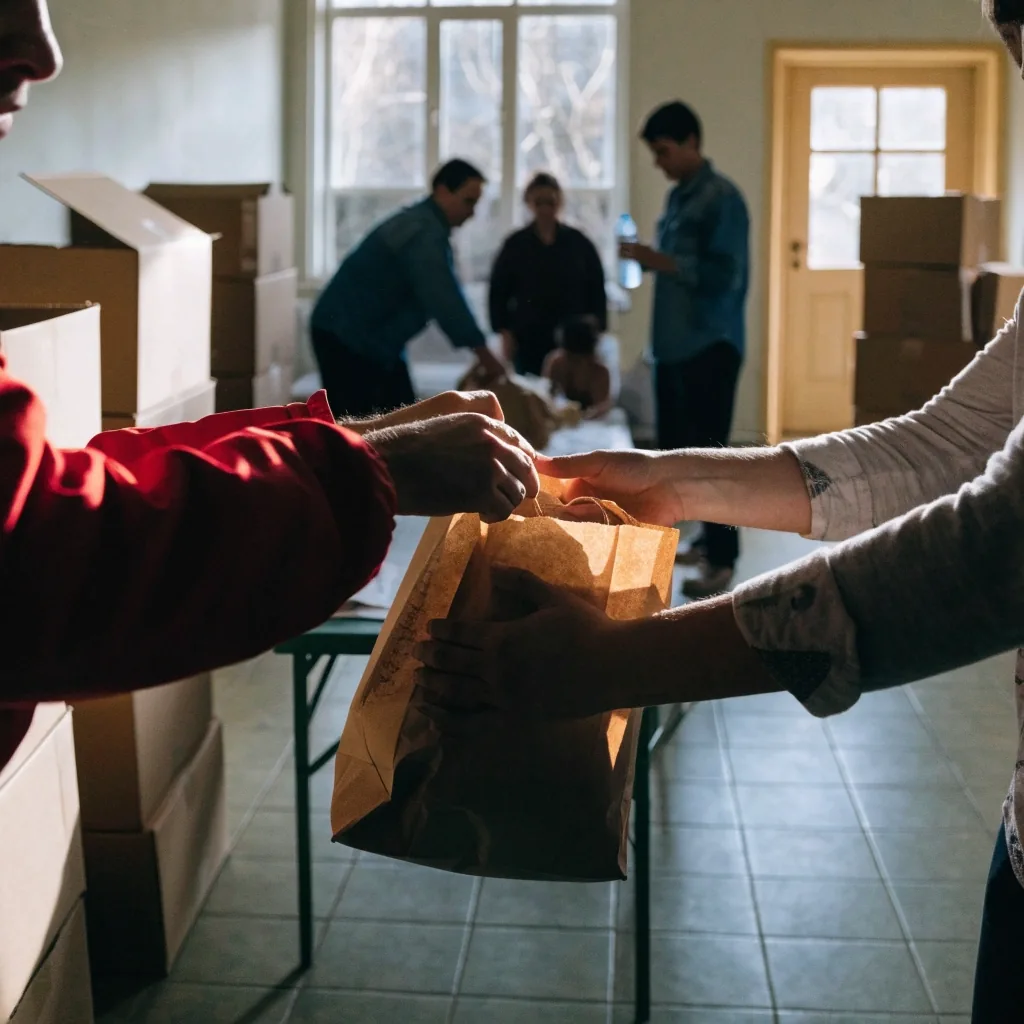
If a shop runs a fundraiser or partners with a school, we want the details: dates, the organization involved, and what the money or goods actually support.
Neighborhood
Donation weeks are easy to describe and hard to verify unless someone sends the collection dates and the receiving organization. Send both and we will report it plainly.
We do not publish charity claims we cannot verify, and we do not reprint a company's community language as our own reporting.
If an announcement says a project will support a neighborhood, we report it as the company's stated intent unless there is a document showing outcomes. That distinction matters most on stories where the shop has not opened yet.
Where a figure appears in a filing, we cite the filing. Where no figure exists, we say so and leave the space empty rather than round it up. Readers can then tell the difference between a promise and a build.
Short answers to the things that come in most often about community coverage.
Because the evidence bar is higher here. A franchise report can stand on a company announcement. A community item needs a filing, a permit, a public notice or a document behind it, and those arrive less often than press releases do.
Yes. Send the location address, the dates, the organization involved and what the money or goods supported. If the event already happened, a photo of the collection or a receipt is more useful than a description. Email RenoGalvez@isaakblackwell.com.
Based on what has been announced, no. Supply requirements, operating standards and brand rules apply as they would to any other location. The difference sits in what happens to surplus after the bills are paid.
Yes, with the language kept honest. Until a shop opens we describe the plan as announced, name the target date as a target, and flag anything we cannot confirm against a document.
What makes a tip usable is the boring part: the shop's address, the dates, the organization involved, and what the money or goods actually supported. If there is a public notice, a permit number or a receipt, include that too. A photo of the event is welcome, but the details are what let us confirm it.
Send tips to RenoGalvez@isaakblackwell.com with the location and the dates. We answer community correspondence Monday to Friday, 9:00 AM to 6:00 PM, and we will tell you plainly if we cannot verify something.
SHIPLEY DONUTS JOURNAL
Browse all community storiesCommunity & Culture is one of five sections on Shipley Donuts Journal, alongside News Archive, Business & Franchise, New Locations, and Menu & Promotions. It depends more on readers than any of the others. If something is missing here, the fastest way to fix it is a message with a date and an address attached.