

Franchise report · Oakland County, Michigan · October 2026
Shipley Donuts signs 15-unit Metro Detroit agreement
Hole Lotta Dough LLC takes Oakland County, with the first Michigan shop targeted for late Q1 2027.
What the agreement covers
Shipley Donuts announced a 15-unit franchise agreement for Metro Detroit with Hole Lotta Dough LLC. The first Michigan shop is targeted for late Q1 2027, and the agreement covers Oakland County. It is the largest single Michigan commitment the brand has disclosed and one of the bigger deals in its 2026 expansion run.
The deal at a glance
- Franchise group
- Hole Lotta Dough LLC
- Territory
- Oakland County, Michigan
- Committed units
- Fifteen
- First shop target
- Late Q1 2027
Unit count, group name and territory come from the announcement itself. Nothing else in this report is estimated.
The scope of the agreement
Fifteen units is a multi-year build-out, not a single opening. The announcement names Hole Lotta Dough LLC as the franchise group and places the territory in Oakland County, north of Detroit. Only the first location has a target date, late Q1 2027. The rest of the schedule depends on how the first stores perform and how quickly sites can be secured.
That order of operations matters more than the headline number. A group building fifteen shops north of Detroit is really making a series of smaller decisions: which municipality first, whether to lease an existing building or start from a pad site, and how many units it can carry at once without spreading supervision too thin. Each of those choices shapes the next one.
Shipleys donuts franchise filings of this type rarely publish an opening calendar up front. The number is a commitment to build; the calendar is negotiated street by street.
Why Oakland County
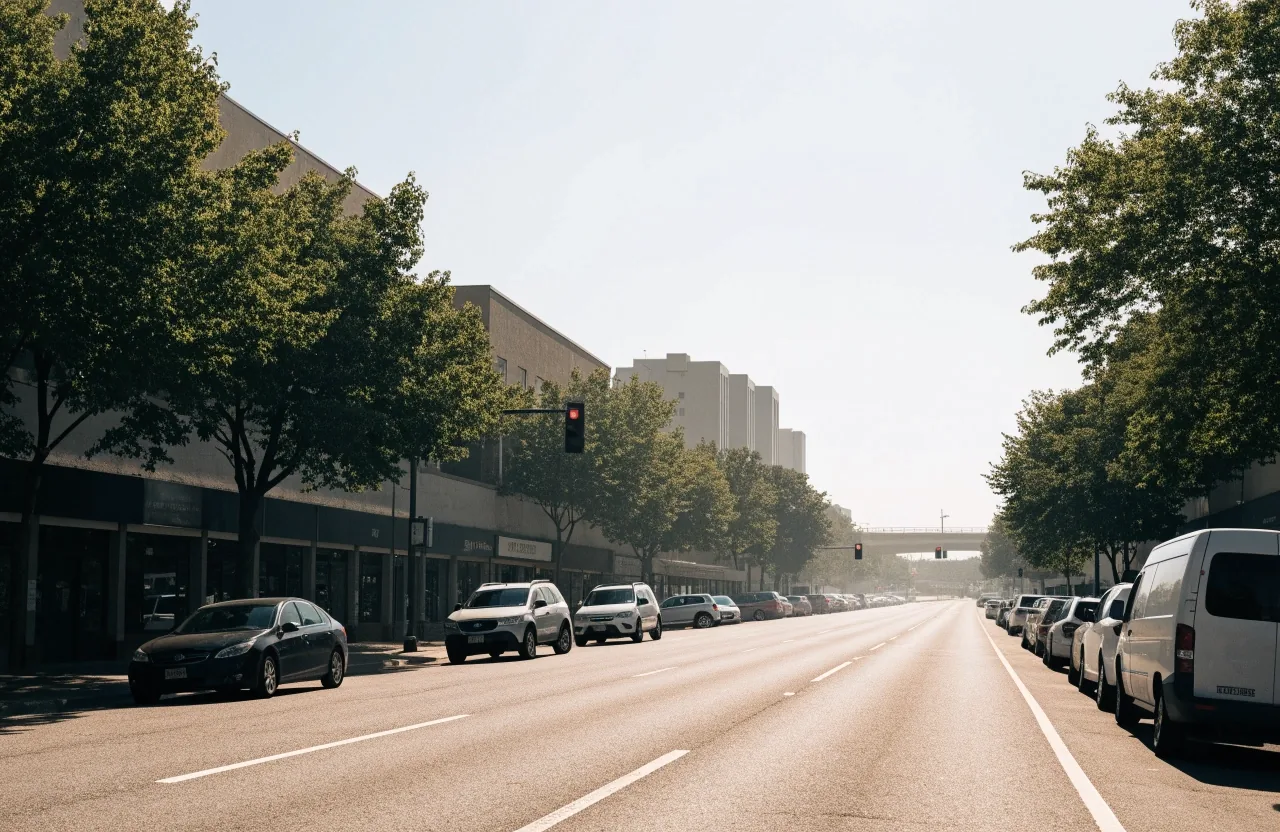
Oakland County covers a large suburban stretch with established retail corridors, which is a different environment from a dense city center. Suburban markets tend to favor locations with parking and drive-through access, and they spread a multi-unit operator across several municipalities rather than one. For a 15-unit plan, that spread is useful: it lets the group build in phases instead of competing with itself.
Drive-through access changes the shape of a shop, not just the sales mix. A drive-through window needs a lot with depth, a stacking lane that does not back traffic onto the street, and a municipal approval path that treats the lane as part of the site plan. Those requirements narrow the list of usable parcels, which is one reason a fifteen-unit build-out gets sequenced rather than announced all at once.
Several municipalities also means several sets of zoning calendars. A site that clears quickly in one suburb may sit for months in the next, and a group that wants steady openings has to start permits in more than one place at the same time.
Metro Detroit and the Midwest pattern
Michigan joins Ohio on the Midwest map, and the two announcements landed close together. Entering both states through franchise groups rather than corporate stores keeps the brand's capital exposure limited while still adding units.
The trade-off is speed. Franchisee-led development moves as fast as the operator can find sites and financing, which is why first-store dates matter more than total unit counts. A fifteen-unit agreement signed in the fall tells you a group has committed; a first shop opening on a known date tells you the group can execute. Until one of the fifteen opens, the second signal is missing.
That is the pattern to watch across the whole 2026 run, not just Michigan. Multi-state agreements signed within weeks of each other usually mean the brand has organized a franchise development effort around a region, and the individual state deals are parts of the same push.
Midwest entries so far
-
Ohio
A three-unit Cincinnati agreement, announced shortly before the Michigan deal.
-
Michigan
Fifteen units in Oakland County, with the first shop targeted for late Q1 2027.
The first store and what it signals
Late Q1 2027 for the first Michigan shop means site selection is either done or close to it. If a specific address is not public yet, that is normal at this stage. Once it is, the useful details will be the format, whether it is new construction or a conversion, and whether a drive-through is included. Those choices usually carry over to the rest of the territory.
A conversion tells a different story than new construction. Converting an existing restaurant building means the expensive parts, drainage, utilities, and a hood system, may already be in place, so the shop can open sooner and the group can learn from it before committing to the next parcel. A pad site built from scratch takes longer and costs more, but it can be shaped around a drive-through from the start instead of being retrofitted around one.
Watch the first opening for format clues. If it is a conversion in a strip center, the rest of the county probably follows that mold. If it is a standalone building with a stacking lane, the group is signaling that drive-through volume is central to how it plans to run the territory.

What the agreement does not include
No construction schedule for units two through fifteen, no site list, and no financial terms.
Franchise agreements of this size typically remain private beyond the unit count and territory. We report what the announcement states and do not estimate the rest. When individual Michigan locations are announced, they will get their own entries in the New Locations section, with address, format and opening window as they become public.
Michigan in the national picture
Alongside Ohio, Nevada, North Carolina, and Oklahoma, Michigan fits a year of new-state entries. The company also mentioned Atlanta development in the same period. What stands out is the geographic spread: no single region dominates the 2026 expansion, which suggests the brand is building a national footprint rather than deepening one area.
A spread-out map is harder to run than a clustered one. Shops in five regions mean distributed supply, more travel for support staff, and less shared local marketing. In exchange, the brand is not betting a year of growth on one metro's rents and labor market, which matters when construction and staffing costs move differently from state to state.
For readers tracking the franchise rather than the donut case, the useful comparison is not the unit count in any one state. It is how many of those units actually open, and how close together. Announcements describe intent; openings describe a working operation. Shipleys donuts coverage on this site follows both, and the second number is the one that ages well.
We keep a running list of announced territories and update each state entry when an opening date or address becomes public.
Browse all franchise dealsQuestions readers are asking about the Michigan deal
Is the first Michigan shop's address public yet? Details
Not as of this report. The announcement gives the territory and a target window for the first shop rather than a street address. That is normal for an agreement this early: the group is confirming the commitment before it publishes individual sites. When an address appears, we add it to the entry with the format and opening window attached.
Why does only one of the fifteen units have a date? Details
Because the later shops depend on the earlier ones. A franchise group usually opens a first location, studies its sales pattern and staffing, then commits to the next two or three parcels. Publishing a full calendar before that would be guessing. The unit count is the commitment; the calendar gets filled in as leases and permits clear.
Does the agreement cover Detroit itself or just the suburbs? Details
The announcement places the territory in Oakland County, north of Detroit. Oakland County is a separate county with its own municipalities, so the fifteen units sit in the suburban ring rather than in the city. Whether the group later expands south is a separate agreement, and none has been disclosed.
Are the financial terms of the deal known? Details
No, and that is typical. Agreements of this size usually stay private beyond the unit count and the territory. We report what the announcement states and do not fill the gap with estimates, because an invented franchise fee or build cost is worse than an empty field.
Sources for this story
This report draws on the company's announcement that Shipley Donuts is coming to Michigan and the franchise trade coverage of the brand's first-half 2026 growth. Franchisee and territory details are reported as they appeared in those public materials. Any future update will be added to this story with a date.
Read our editorial standardsWhere to go next
About the journal
Shipley Donuts Journal is an independent editorial blog covering franchise expansion, new-market openings, product promotions and community work. We publish what announcements state and mark clearly what is still unknown. Story tips, corrections and development news go to the desk during business hours.
- Address
- 315 E 28th St, Brooklyn, NY 11226, USA
- Phone
- +1 445 232 2690
- Desk hours
- Monday–Friday, 9:00 AM – 6:00 PM
The journal operates from 315 E 28th St in Brooklyn. This is an editorial office, not a restaurant.