
Editorial Standards · updated October 2026
How the Journal reports and corrects
An independent blog on shipleys donuts franchise expansion. We are not affiliated with the company, and this page sets out where our information comes from, how we label uncertainty, and what happens when we get something wrong.
Considered in the order a reader would ask: what we cover, where it comes from, how labels work, and how a mistake gets fixed.
Corrections and questions: Contact the newsroom
What we cover
One brand, followed all the way through
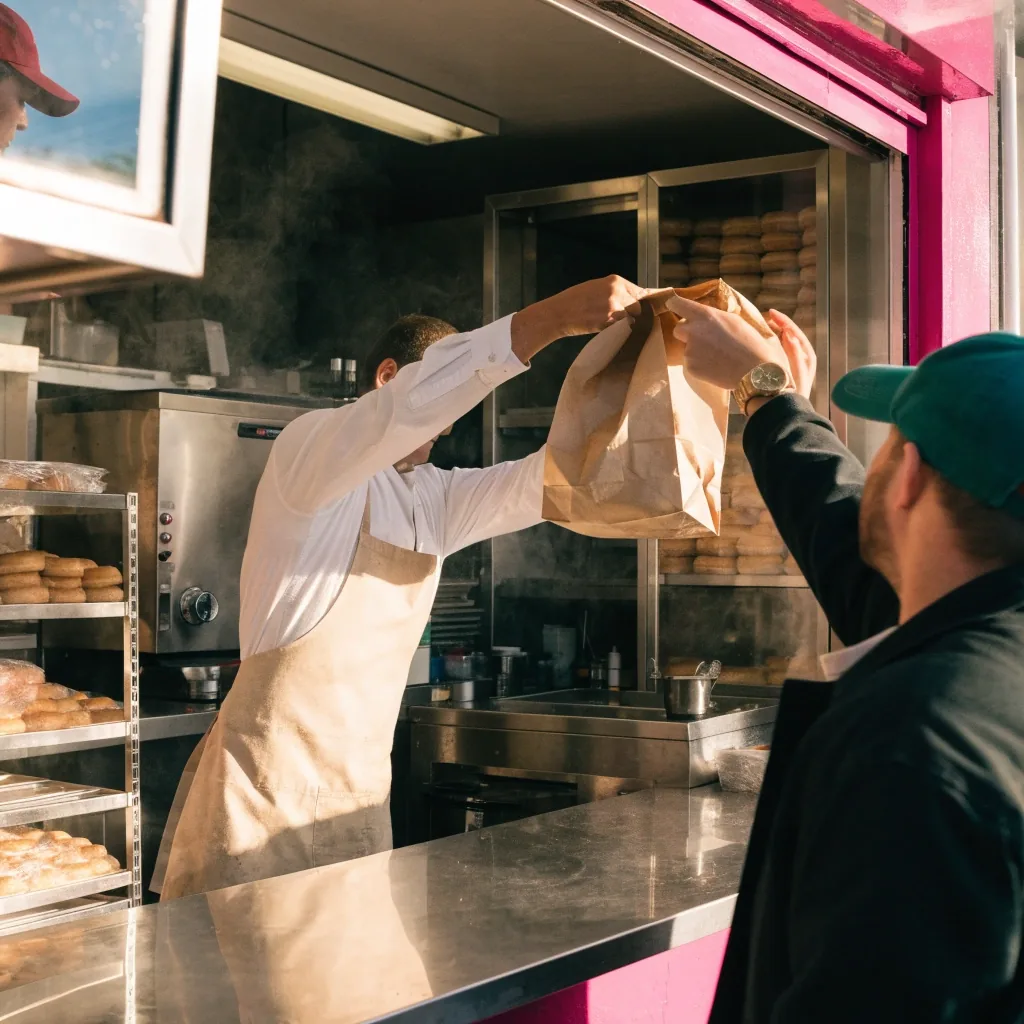
A walk-up window handoff during the noon rush, the kind of small scene a franchise story is built from.
Shipley Donuts Journal is an independent editorial blog. We are not affiliated with shipleys donuts, and we don't publish on the company's behalf. Our beat is one brand: its franchise agreements, new locations, menu promotions, and community projects across the United States.
That narrow focus is deliberate. It lets us follow a development deal from signing through construction to opening, which a general business outlet rarely has the bandwidth to do. We can stay with a single market for two years and report when a planned opening moves, when construction starts, and when the doors actually open.
It also sets a boundary. We don't cover other donut chains except where they are directly relevant to a Shipley story, and we don't treat franchise growth as a general industry trend piece. If a competing chain's expansion matters to a market Shipley is entering, we say so in the text of that story.
What that looks like in practice: a filing that names a franchise group, a trade publication reporting a signed agreement, a local outlet covering a permit, and a company announcement about a target date are four different things, and we keep them separate.
Where our information comes from
Four source types, always named in the story
Each story identifies what it was based on. When a claim appears only in a company announcement and nowhere else, we attribute it rather than state it as confirmed.
Press releases and corporate statements. Useful for target dates, franchise-group names, and product plans, and always attributable back to the company rather than presented as our finding.
Franchise and foodservice trade coverage, which often reports multi-unit development agreements before a local paper picks them up. We credit the outlet and link to the original where we rely on it.
Reporting from the specific market, which is the best source for construction progress, hiring, zoning friction, and what a storefront actually looks like on the ground.
Filings, permit notices, and similar documents. These are slow and unglamorous, and they are the reason we can say a deal is registered rather than merely announced.
When we can't reach two of these independently, the story says so in plain language and names which source it rests on. That is usually why a single company announcement carries more caveats than a story built across a filing and local reporting.
About the Journal
Announcements and confirmed facts
A signed deal is not a store
Planned
A development agreement exists and the company has named a market. Nothing is built. We use the company's own word and keep it visible in the sentence.
Targeted
A date has been stated for a future opening. Dates move, and when one does we append the change rather than rewrite the original line.
Confirmed
Reserved for an opening that has actually happened. Until then, the same location may read differently in two stories published months apart, and that is intentional.
Franchisee names and public records
Named when the paperwork names them
We name franchise groups when they appear in a public announcement or filing, because that is what a reader checking the story can also find. Recent examples on the site include Koelache Co. LLC in Cincinnati, Hole Lotta Dough LLC in Metro Detroit, Plexus Raleigh LLC in Raleigh, and Dough Pokes LLC in Stillwater.
We don't name individual owners and we don't speculate about who is behind a group. If a franchisee isn't named publicly, we describe the deal without the name and say why the name is missing. That choice is not a hint that something is wrong — it usually just means the paperwork hasn't been made public yet.
If you see a group name in one of our stories and want to check it, the story links the source it came from. If there is no link, the name was not in a public document and does not belong in the piece.

Development paperwork changes hands long before a storefront does. We only report a group name when a public record carries it.
Corrections
We correct in the open
When we get a fact wrong, we correct it and note the correction on the story. We don't silently edit a published piece to remove an error, because a reader who saw the first version deserves to know what changed.
If a source turns out to be unreliable, we say so where the claim appeared — not just in a later piece. The correction stays attached to the story that carried the error.
Send the specific detail
Email RenoGalvez@isaakblackwell.com with the story and the detail that is wrong. A date, a store count, a group name, or a sentence that overstates something — all of those help.
What we do next
We check the claim against the source material behind the story. If the correction holds, the line is changed and a dated note is added to the piece explaining what was wrong and when it was fixed.
Updates as openings move
Stories are updated when new information arrives, most often when a planned opening date is confirmed or shifts. The update is appended with a date rather than folded into the original text, so for a franchise story that runs across years the first announcement stays readable as the baseline.
Newsroom hours for correction queries: Monday–Friday, 9:00 AM – 6:00 PM. Written from 315 E 28th St, Brooklyn, NY 11226.
Contact the newsroomIndependence and funding
Nobody pays for a story here
The Journal is editorially independent. We are not paid by shipleys donuts or by any franchisee, and we don't publish sponsored content presented as reporting.
If we ever run material with a commercial relationship behind it, it will be labeled clearly and kept out of the news sections. Until that happens, every story on this site is written by us, for readers.
Labels you'll see on stories
Section tags are topics, not confidence scores
Usually rests on a press release plus trade reporting, and often a filing. The heaviest sourcing on the site, and the stories that update most often.
A signed deal or a construction update in a named market. Where the label says planned, the store is not built yet.
May rest on a single company announcement. That is normal for a product day, and the story says so in the text rather than pretending to more.
Often built from local reporting and the organizations themselves. Fundraisers, school partnerships, and franchise community rooms.
We note what a story is based on in the text itself. Treat the section tag as a topic label rather than a confidence score, and read the attribution line if the sourcing matters to you.
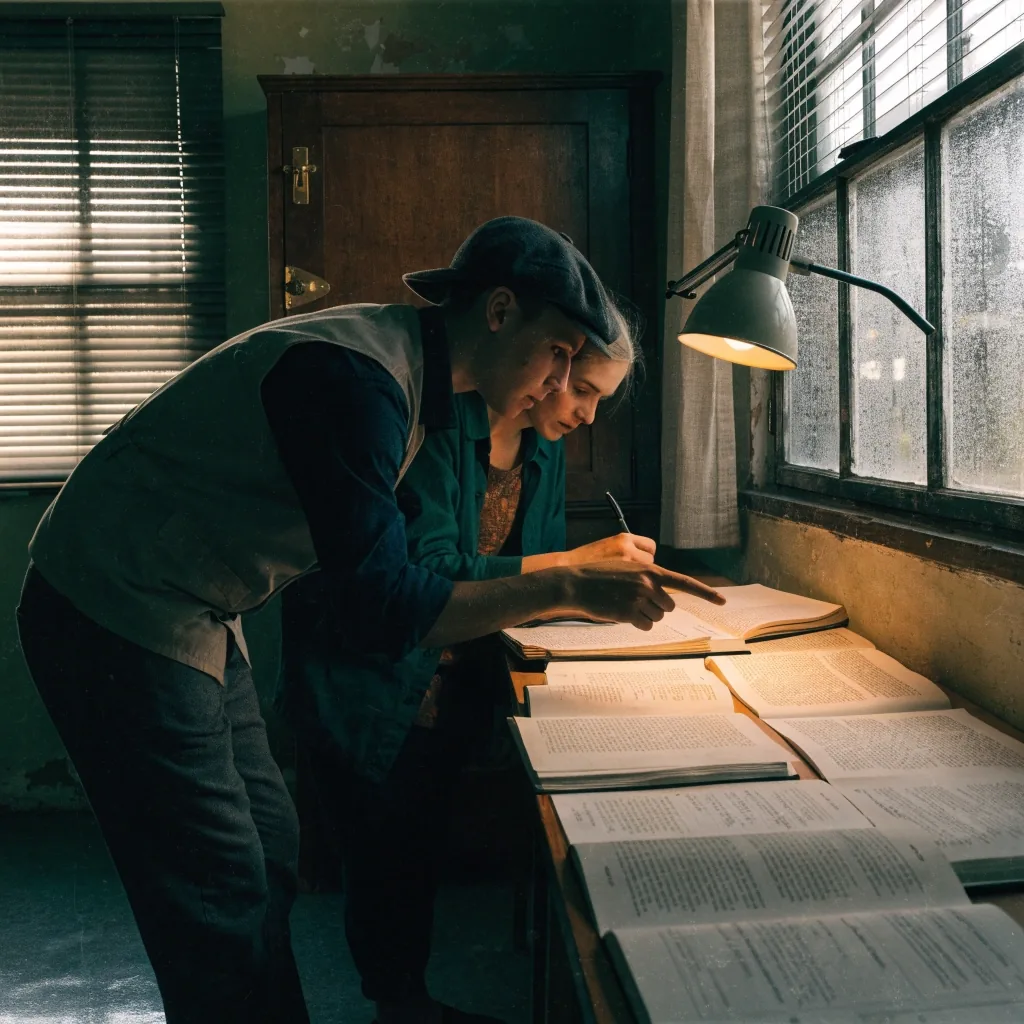
Every story is checked against its source material before it goes up. The check is done inside the room, not outsourced.
Who writes and reviews the coverage
Written and checked by the same small desk
Coverage is written and reviewed inside the Journal's small editorial team, with each story checked against its source material before publication. We don't use outside contributors to file stories under the Journal's name, so a byline here means the person who wrote it works on this site.
When we rely on another outlet's reporting, we credit it and link to it so readers can check the original. That is also the fastest way to catch us out: if a linked story doesn't say what we said it says, tell us and we'll look.
The whole desk works from 315 E 28th St, Brooklyn, NY 11226, Monday–Friday, 9:00 AM – 6:00 PM. You can reach the newsroom by phone at +14452322690 or by email at RenoGalvez@isaakblackwell.com.
Questions we get about this page
Why does the same location read differently in two stories?
Because the facts changed. A development agreement signed in one year becomes a targeted opening the next and a confirmed store after that. We keep the earlier wording intact so you can see the progression rather than a rewritten version.
Do you accept press releases as facts?
No. We treat them as claims by the company, and say so. A press release is a useful document for what a brand intends, and it is not evidence that a store opened.
Can I see who funds the Journal?
There is nothing to disclose beyond what is on this page: no money from the brand or its franchisees, no sponsored stories dressed as reporting. If that ever changes, the labeling rule above applies.
Where to go next